3D Build with Ideas

Auguste Rodin

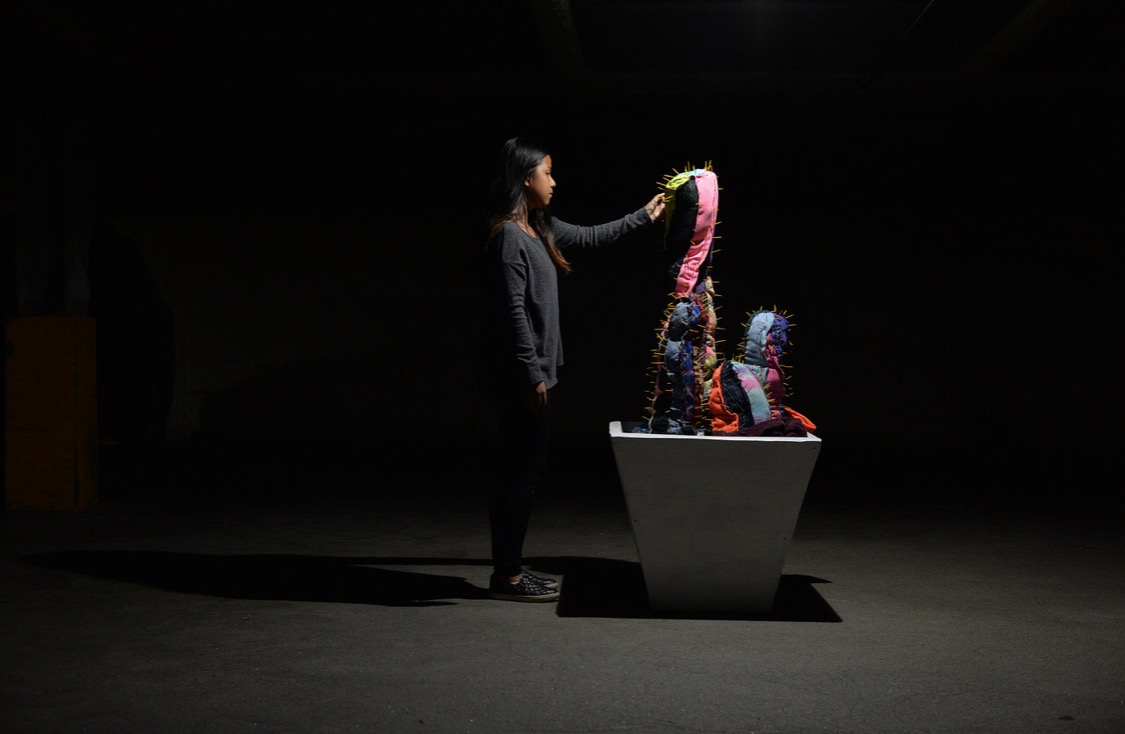
Each of our classes in the Creative Minds program puts focus on three important aspects. We introduce our students to tactile materials, techniques, and art history. When it comes to art history, our instructor creates short slideshows to inform our students either of a historical time period, a mythical creature, or a famous artist. This past week, our students learned about Auguste René Rodin.

Auguste Rodin was a French sculptor generally considered the founder of modern sculpture. He is celebrated for his expressive and modern depictions of the human form in bronze as well as other materials. Rodin's most original work departed from traditional themes of mythology and allegory. He modeled the human body with naturalism, and his sculptures celebrate individual character and physicality.


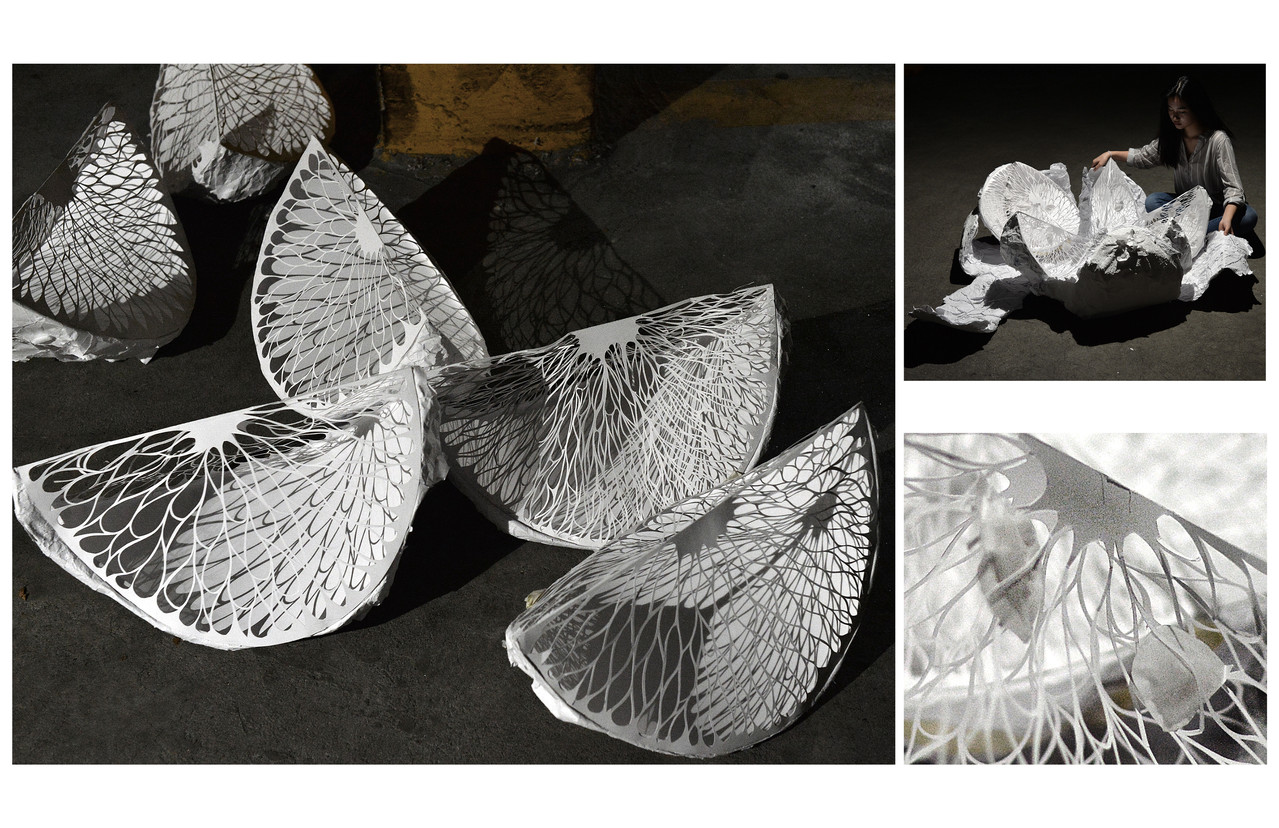
August Rodin’s work:


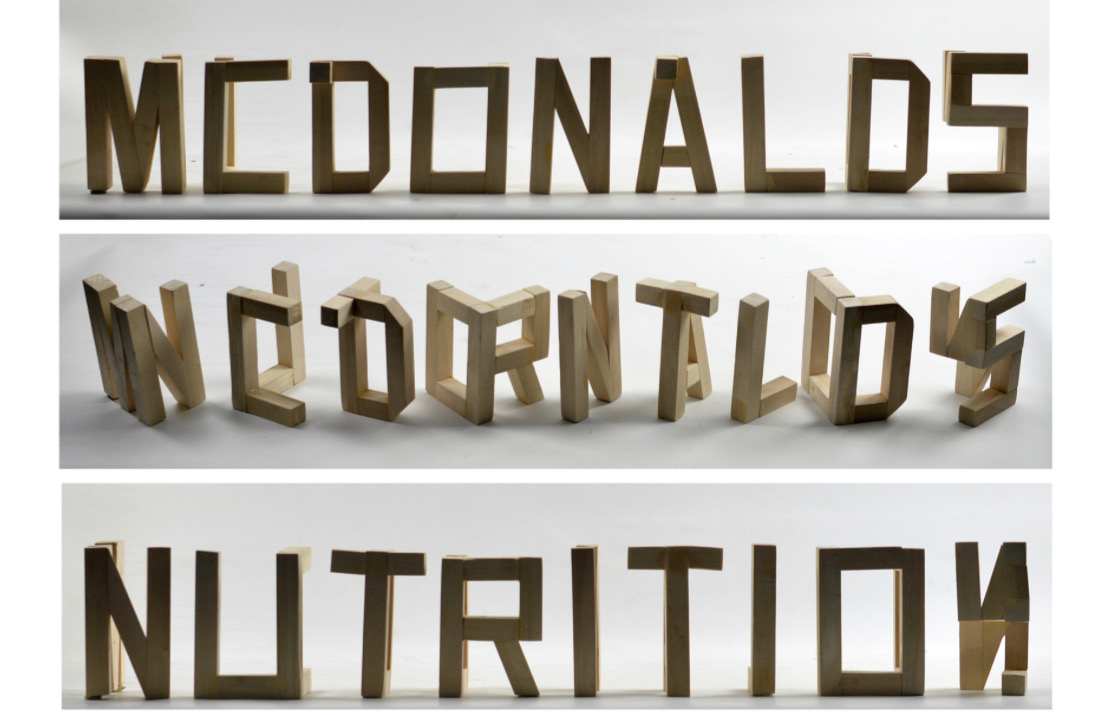
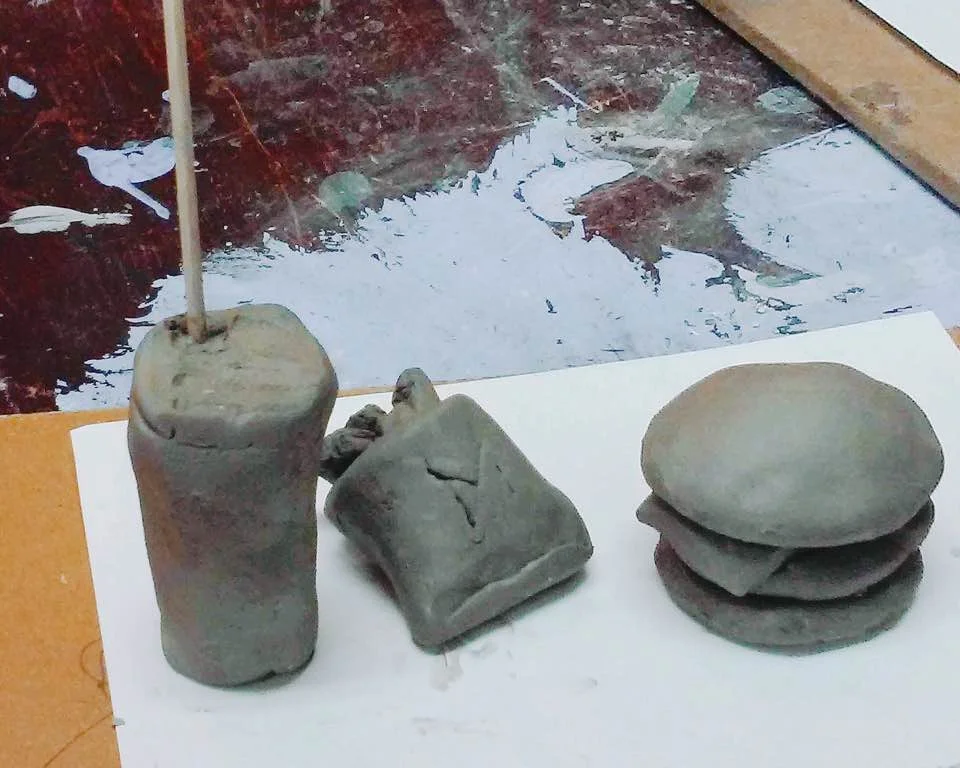
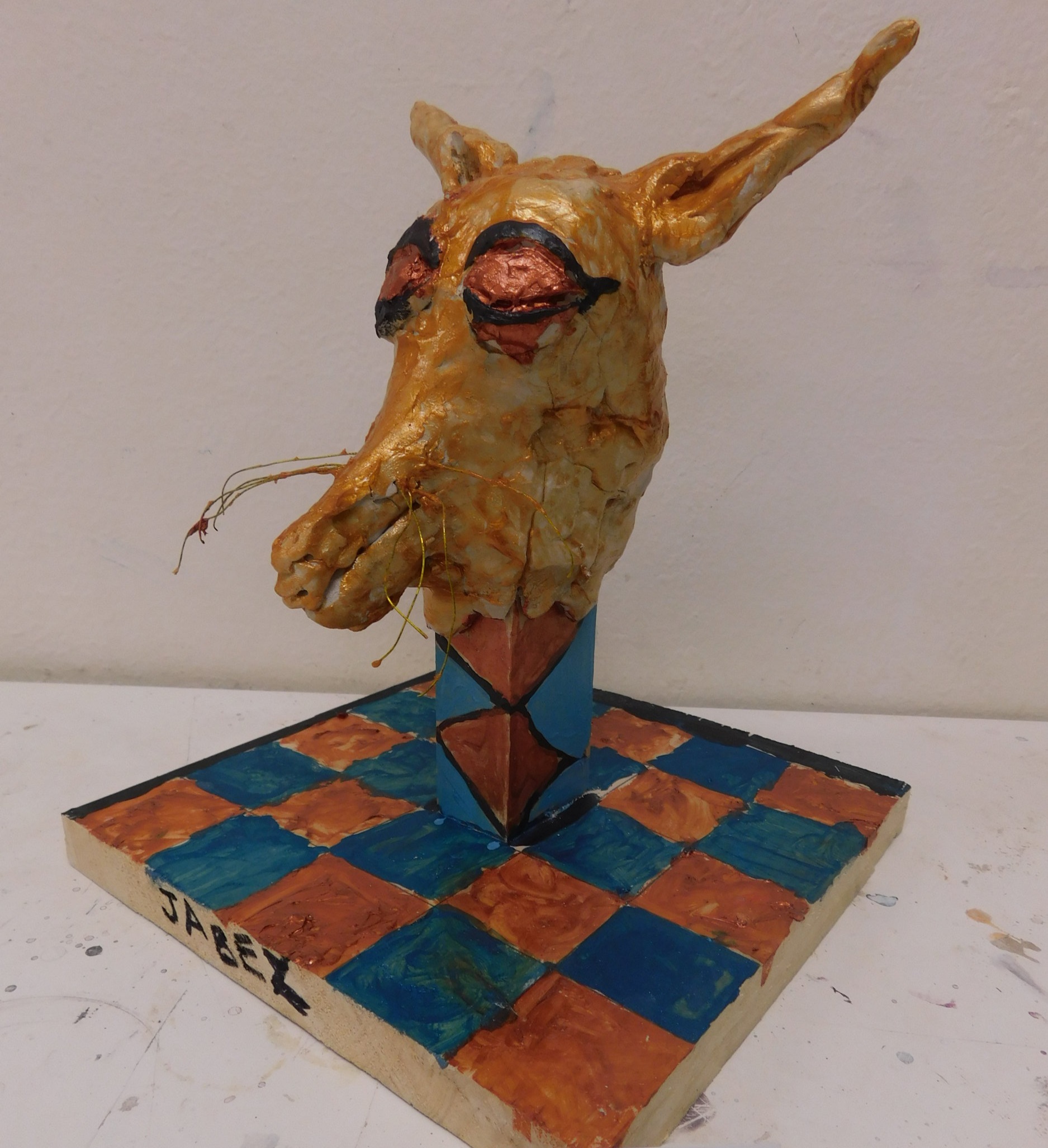
For this project, we used air dry clay, square wood blocks, and clay tools. All of these materials were delivered right to the students’ doors at the beginning of the semester. Working with air dry clay is difficult because it dries with exposure to the air. Our students learned how to smooth out the clay with water and the tools. Clay is always a fun material to work with. Clay supports personalized learning, sensory development, fine motor skills, self esteem, self expression, problem solving skills, discipline and pride in a child.

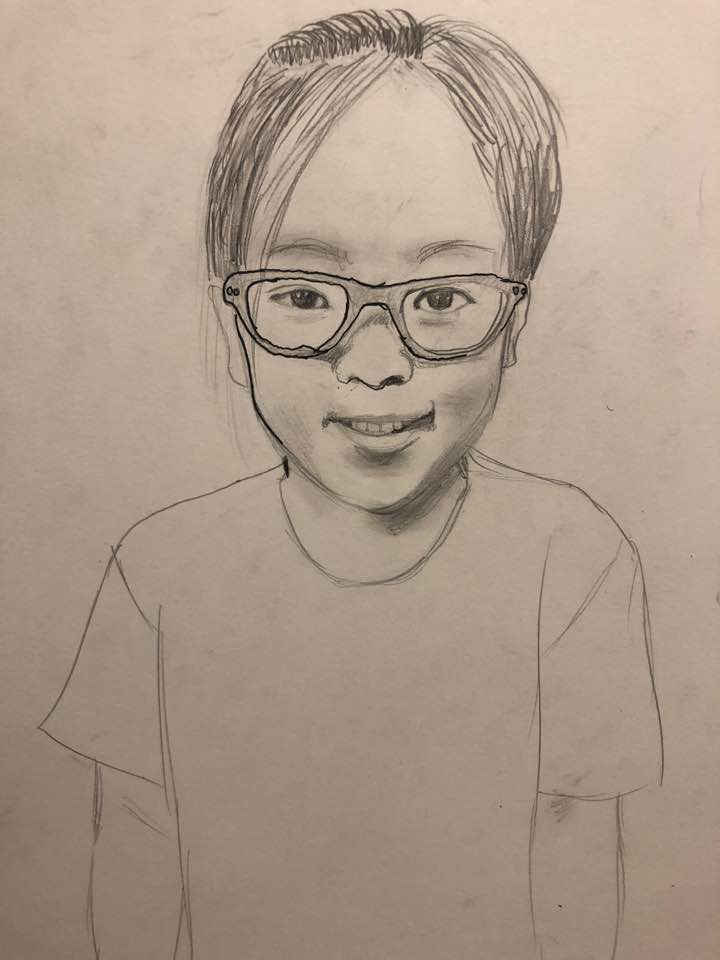
Instructor’s sample work (left), Student’s work (right):


Student work is posted on our Instagram account, where you can see many examples from all of the different classes we have to offer. If you ever have any questions about out curriculum, schedule, or other inquiries, feel free to contact us.
Little Ashcan Art Instagram

First Snow Day of 2021

Welcome back!

Today is the first snow day of 2021 and it is a serious one. It has been snowing since Sunday night and has not stopped yet. I don’t remember the last time New York had snow pile up like this. The next few days are bound to be difficult to travel. I hope everyone is staying safe and warm at home.

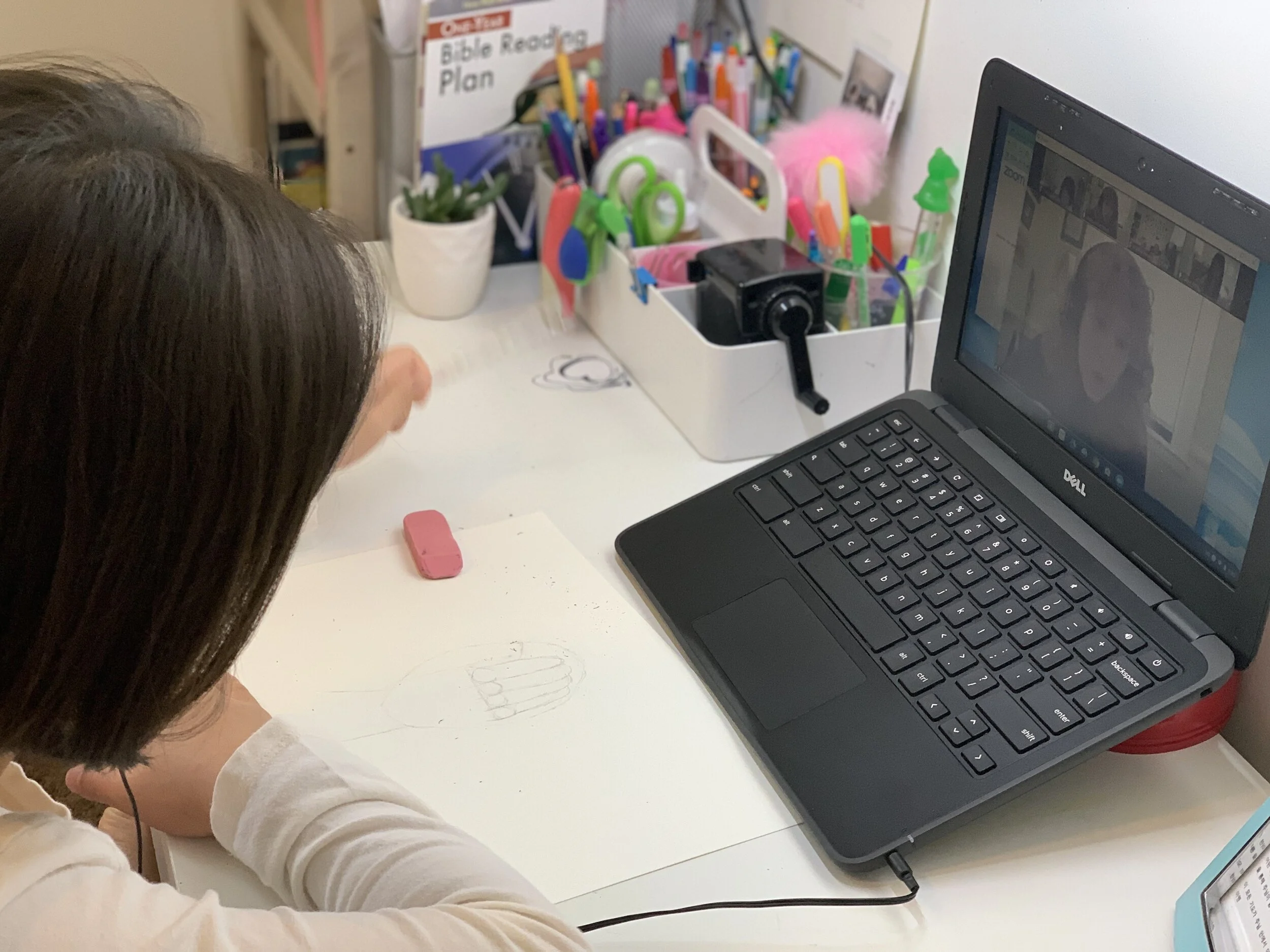
I took the opportunity of today’s snow day to collect pictures of students taking classes online. I also took the opportunity to go outside and make snowmen - but that’s a different story.

It’s times like these when we are grateful for a now well-developed social platform. We are able to continue classes online despite the weather situation.


Creative Minds Program

This is our Creative Minds program meant for students in kindergarten to the third grade.

Young Artist Program

This is the Young Artist program meant for students in grades three to five.

You can see that the work in either program is entirely different. Once students are finished with the Creative Minds program, we take our knowledge of the different medium we are not familiar with and focus more on skill and technique in the Young Artist program. Both programs can be taken online as well.

It is amazing to see how students learn so quickly and are able to adapt to this online platform. Thank goodness for the internet!

I took time tonight to get away from the internet and made snowmen. I can’t believe I’m saying this, but wearing a mask kept my face warm. I didn’t think I would ever get used to wearing a mask, but it came in pretty handy today!

Snowman.jpeg

I hope everyone stays warm during this storm and enjoys their time indoors.

Until next time!

Creative Mind_Watercolor Painting

Welcome back!

In today’s post, I will be showing some of the students’ artwork from our Watercolor Painting class. Watercolor paint is such a great medium for kids to work with. It is very experimental and you can have a lot of fun with it.

We had students create paintings using watercolor paint, while also using household items to create patterns and texture. Some examples of things the students used are salt, plastic wrap, glue, straws, tape, crayons, and yarn.

Let’s take a look!


Watercolor Galaxy

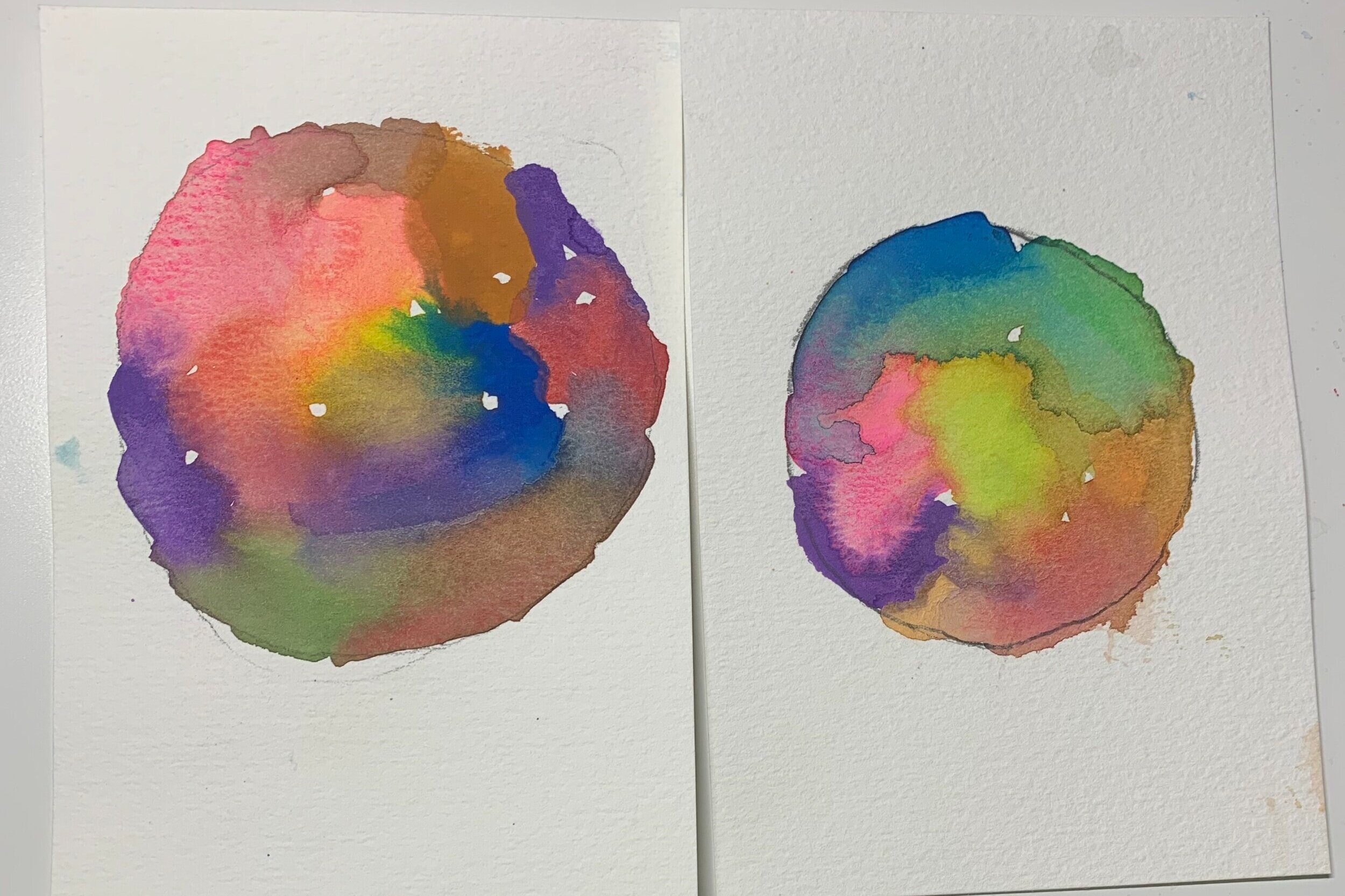
Using a cup, pencil, and watercolor, we created a circle and painted different constellations and a galaxy within. You can see how the paint blends in seamlessly while creating different shades when mixed with water.

Chloe%2BYeung-Galaxy%2BWatercolor.jpg

Watercolor Galaxy with Salt

To jazz things up a bit, salt can be used to create texture within the painting. Yes - salt! Salt creates an effect where the paint does not blend in, and so you can see how the tiny salt crystals left white areas in the galaxy painting below. In the student’s painting below, the salt crystals seem to represent stars in the galaxy. This simple yet intricate effect brings great detail. Understanding techniques like this is what makes a painting stand out amongst others.

Experimental Watercolor

Blowing into the watercolor paint before it is fully dry can create a ripple effect. Students used their brushes to mix different ratios of water and paint and then blew into their painting to create more depth. Looking at the two paintings below, I was amazed at the choice of color the student used for this experiment. You can tell that she understands her color wheel. It is important to understand the basic painting techniques while working with a new type medium.


Working with our students online has come a long way. I still remember when the pandemic first hit and we were all transitioning our classes. It was frustrating for not just us, but for the students and parents as well. We came a long way and it is now such a special time for our instructor and kids. Although we are behind a computer screen, we have created lesson plans which are interactive and take advantage of our home setting.

Happy Holidays from Ashcan

KakaoTalk_Photo_2020-12-22-17-49-20.jpeg

Happy Holidays

We are grateful to have spent the last year with you all. Best wishes and prosperity in this new year to come.

Creative Mind End of Fall 2019

Welcome back, love!

It has been quite some time since the last blog post. Our past few months have been filled with many different projects all related to the same theme of Mythology. I would love to show you guys a few of my favorite projects from this semester.

Creative Arts Fall 2019

MYTHOLOGY_The Legend of Icarus

Welcome back, love!

This week, we continued on our journey through Greek mythology standing hand in hand with Icarus. Icarus used wings to escape from the Island of Crete. He is better known as the flying creature who fell from the sky when the wax that joined his two wings was melted by the heat of the sun.

Our students were first greeted with a short story-telling session. Ms. Jacqueline read the narrative of Icarus to the children, who listened well to the details and imagined their our versions of Icarus.

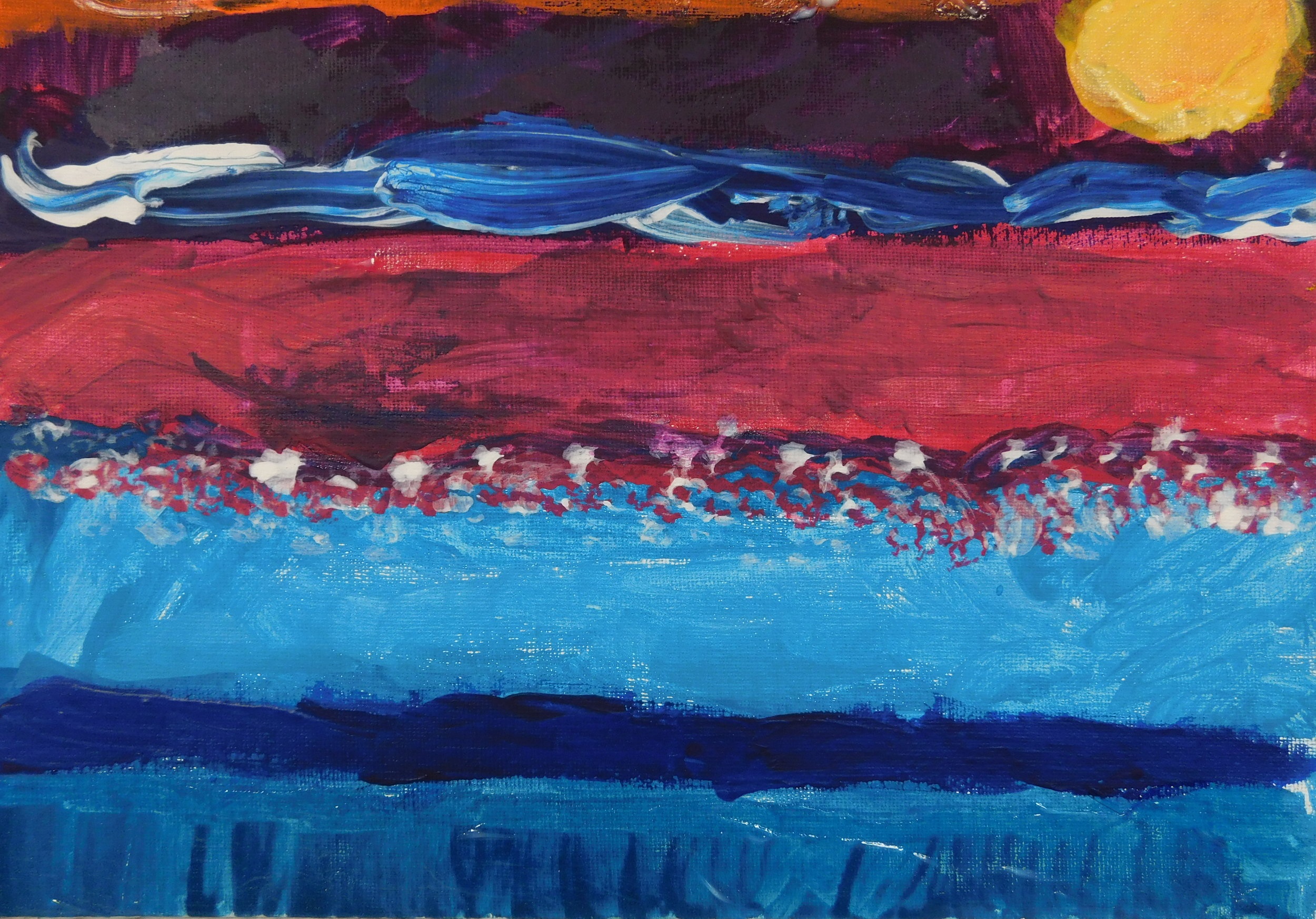
After the narrative, the students were given canvases with acrylic paints. They then chose reference pictures that represented a celestial sky, which would be where Icarus fell from. The children learned how to mix the acrylic paints into the corresponding colors found in their reference pictures. This means we had to mix our primary colors into secondary colors and then into tertiary pastels.

This was just the first part of our project. Next week, we would have our students add in Icarus! Our students already have their ideas down on what the form of Icarus would look like. They will take their portrayals and create a silhouette figure to affix to their canvas paintings of the sky.

For those who have been with us for some time now, you would know about the philosophy behind our classes. We always incorporate art history into each of our projects. This form of art history can come from studying a famous artist and his or her artistic style, a famous movement in art history, or from mythology like our current project.

Mythology is a great topic to study because of the freedom to let our imagination flow. Each student has the ability to recreate their our visions of the characters and scenes. You will be surprised to see how different each student’s version of Icarus is.

Come back next week to meet Icarus!

Creative Arts Fall 2019

MYTHOLOGY

Welcome back, love!

Now that the heat has passed, the leaves have started changing colors and our Fall 2019 semester has very much begun. This semester, we have started off with the theme of Mythology.

Mythology is a collection of stories about a particular culture, usually an ancient culture, with shared beliefs. These tales were reflective of a community’s shared beliefs and were used to teach values, using relationships between people and gods, sometimes featuring imaginary creatures-composited of various animals, people, and nature figures.

These first few classes consisted of students creating a drawing of their own imaginary creatures. They used different parts of various animals, people, and plants. We followed the tradition of Greek and Roman mythological creatures such as the Gorgon, Centaur, and Hydra which are creatures that use composition of various animals and people with magical abilities. Each of our students created their own creatures with a story about their unique powers.

Our students used toned mixed media paper to show depth and texture. The tone also gives us somewhat a timed piece feel. The piece was completed in pencil, black charcoal, and white charcoal. As references, we had our students refer to plastic figures of different animals.

It was amazing to see our students become creative and combine different features of a variety of animals. Our next project continues along the theme of mythology. Stay tuned for more updates!

Reality Room + Summer 2019

Welcome back, love!

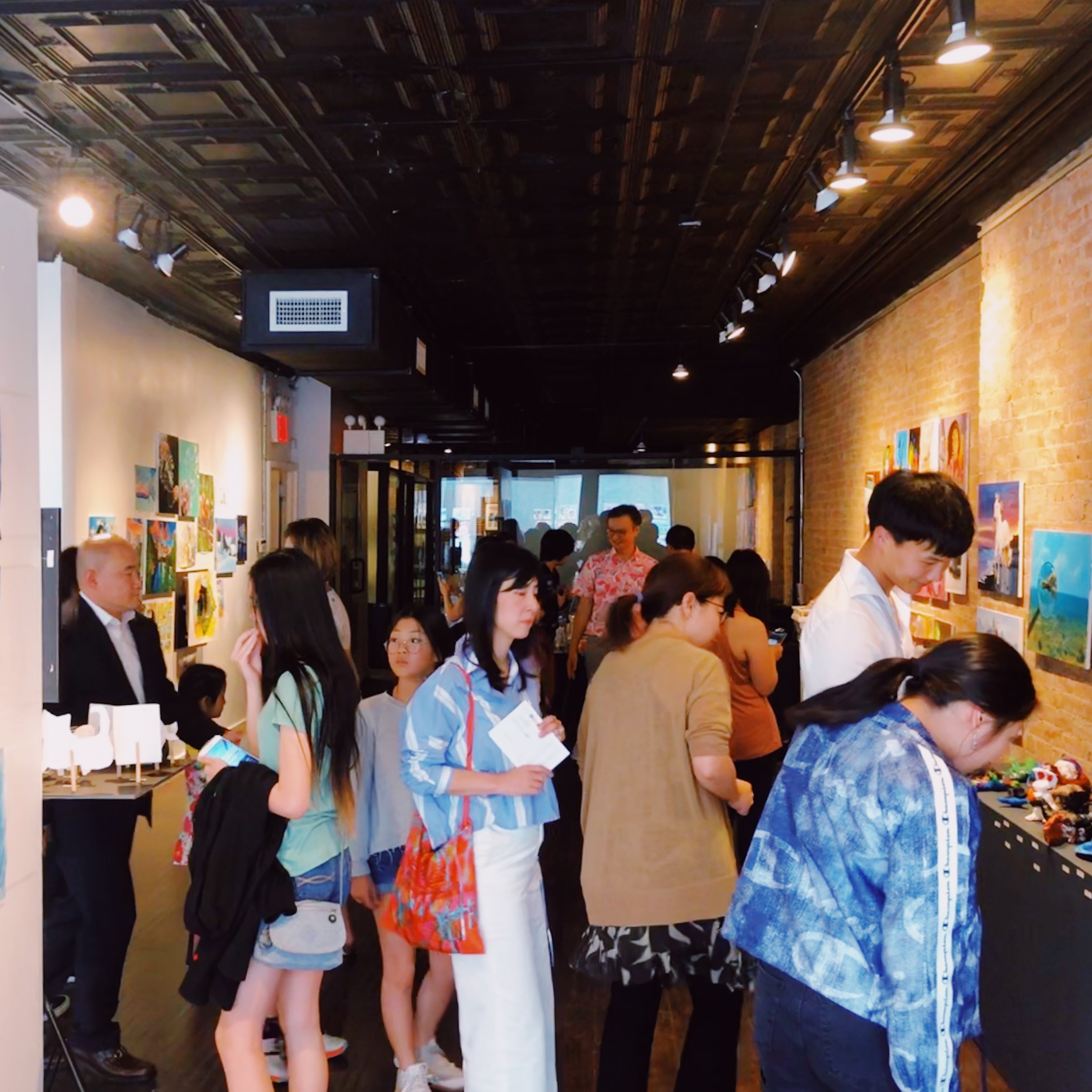
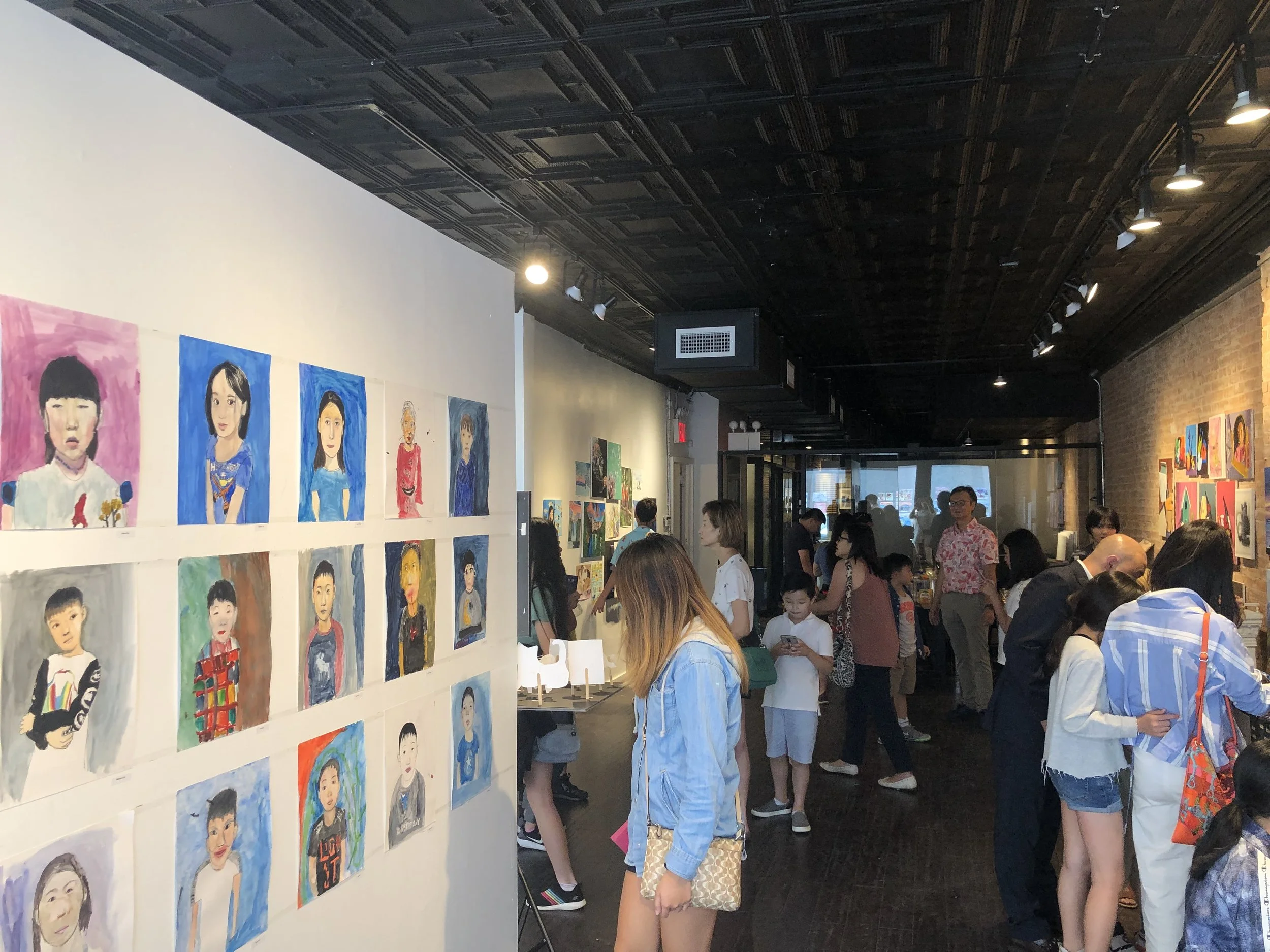
I have a load of updates for you all today. First off, Reality Room was a huge success. This year’s exhibition was the biggest one we have had yet and the amount of support we received was in abundance. So many family members, friends, acquaintances, stopped by to celebrate the wonderful works of our students from the past year. I tried my best to take pictures to capture every moment, but these pictures honestly do not portray the overwhelming love we had received.

Shortly after Reality Room, we started our Summer Semester 2019. Little Ashcan Summers are quite different from the Fall and Spring Creative Arts program we hold throughout the school year.

The summer program is divided up by the week. Each class occurs for four consecutive days and the students finish a couple of projects during those days. Here is an example of our first week of our Summer 2019 program.

COLOR & EXPRESSION

Color and Expression is based around a painting curriculum. Our students learned how to mix the different primary colors and eventually painted a class mural together. Working on a single large scale painting really got the students to merge their creative ideas together and work as a group. Group work is the most challenging, yet important skill when it comes to the arts in the little ones. When two very creative minds try coming together, they can clash. Our students were able to communicate well with each other and form a single work of art.

Reality Room_Annual Exhibition 2019

Welcome back, love! It has been quite a while since my last post, but I promise I have good reasons and I can not WAIT to share them with you.

WE ARE HAVING OUR SECOND ANNUAL GALLERY EXHIBITION

YES! It is already that time of the year. Our Spring Semester 2018 is rapidly coming to an end and we will be showcasing a few beautiful works done by our students at Gallery Madison Park in Manhattan, New York. The title of our exhibition is Reality Room.

Reality Room brings us back to reality. Society is constantly advancing in technology creating an augmented reality around us. Unlock the beauty within the simplicity of reality this June 23rd.

We would love for you to join us this Sunday and celebrate the works of our little artists from the past year.

Reality Room

Gallery Madison Park

45 E 34th Street NY

Opening Reception

Sunday June 23rd 1-3pm

Spring Creative Arts_Photorealism

Welcome back! I am here today with quite an update for you all! First off, can we all just take a moment to appreciate the Spring weather?! I thought the weather would never warm up, but once again Spring is right around the corner. Spring has to be my favorite season. Maybe because my birthday is in the spring, (wink wink) but it mostly has to do with the feeling of new flowers blooming and hearing the birds chirping in the morning. Something about this time of year gives me butterflies in my stomach and makes my heart flutter.

Our Spring Semester here at Little Ashcan is finally starting to feel like the spring semester. We started the semester off with an incredible few weeks on creating Miniature Sculptures and then went into a rather challenging exercise on Photorealism. Photorealism is a genre of art in which an artist studies a photograph and then attempts to reproduce that photo as accurately as possible. The artist our kids studied is J.D. Hillberry.

This is an example of a photorealistic portrait done by Hillberry. As you can see, it is incredibly accurate, almost unbelievable that it was done by hand in pencil. Each wrinkle, hair, is meticulously drawn.

Now this drawing is a little different from the portrait shown above, in that it is almost an illusion. This whole layout is a drawing. The tape, folds of the paper, and the dark background are all simply a drawing!

This project was more of an exercise than an actual project. Doing an exercise like this is in fact extremely difficult and frustrating, but it really boosts our students’ skills and technicality. We took a generous amount of time on these drawings; we took a break in between and took part in the annual Doodle 4 Google competition to keep our kids motivated. We had our students use carbon pencils and charcoal instead of pencil because of the effect graphite pencils give off. If you have ever drawn with pencil, you can see that the color of the pencil is not completely black, but almost a dark gray with a shiny finish. We used the carbon pencil and charcoal to give that intense black matte color. Although this was a very challenging exercise, the results left me speechless.

We had our students choose from a few black and white photographs taken of objects. They then took the photo and cut it in half. Their task was to draw in the other half! Sounds simple, but not so much! They used a variety of thicknesses to portray the different tones in their drawing. They also used a kneaded eraser to lift the darkness wherever they needed to.

Wooden stump_Charles L.

They then went into the background with their charcoal for those who had black backgrounds. You can see this student even had writing to fill in. Take a look at the detail he portrayed on the leather portion of the camera.

Camera_Jabez L.

Some students did not have a black background, but a shadow they had to portray. Take a look at the branch below. This was a little different in the way that there was no symmetrical half that had to be drawn. The student had to go back and forth and observe the other half as they drew it in.

Branch_Han V.

Thanks so much for visiting us again! Before I end this post, I would like to let everyone know that our Summer Creative Arts program is finally open for registration. We are having a promotion for those who register before April 30th! Spots fill up quickly, so come on over asap. See you all next time, where I will show you our entries for the Doodle for Google competition!

Spring Creative Arts_Miniature Sculpture

Welcome back aaaaand HAPPY NEW YEAR! This first month was just insane - is it just me or was this whole month one big Monday?! January flew out the window before I knew it and I realized that I didn’t even update our blog. But no worries, I actually have the cutest project to show you all.

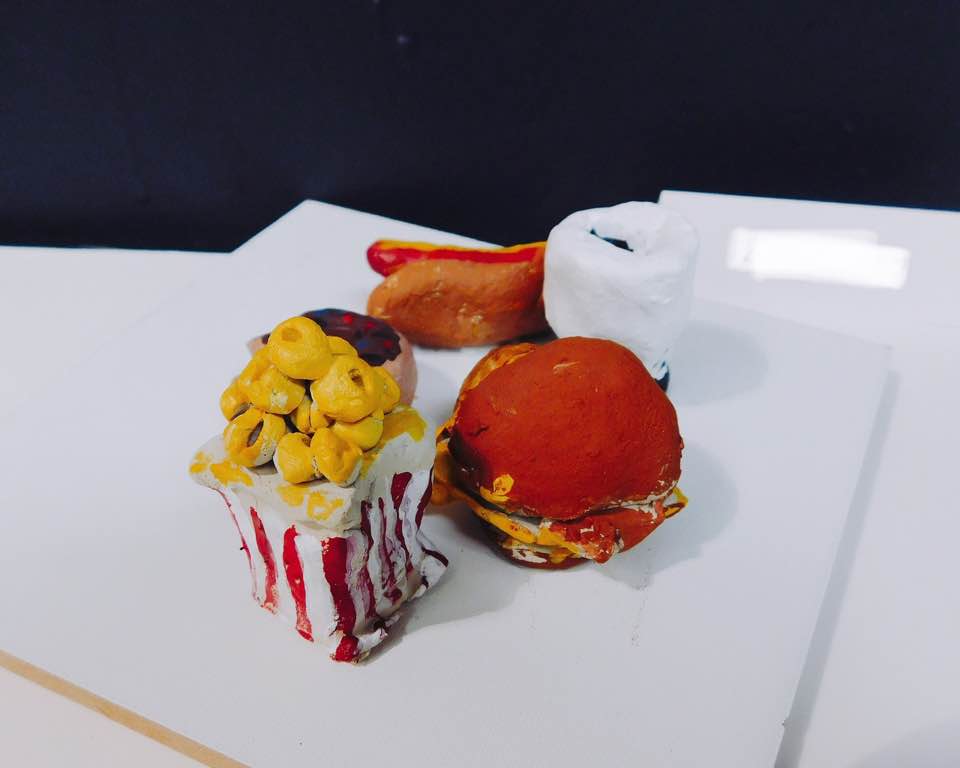
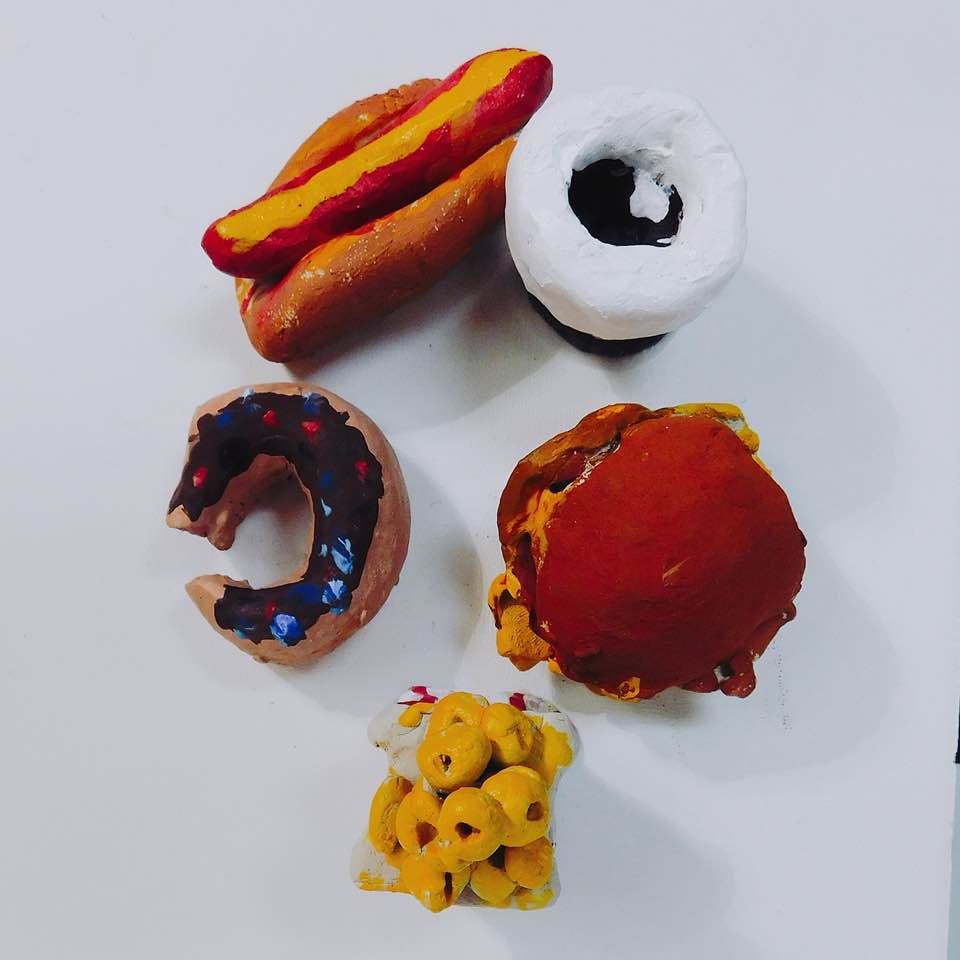
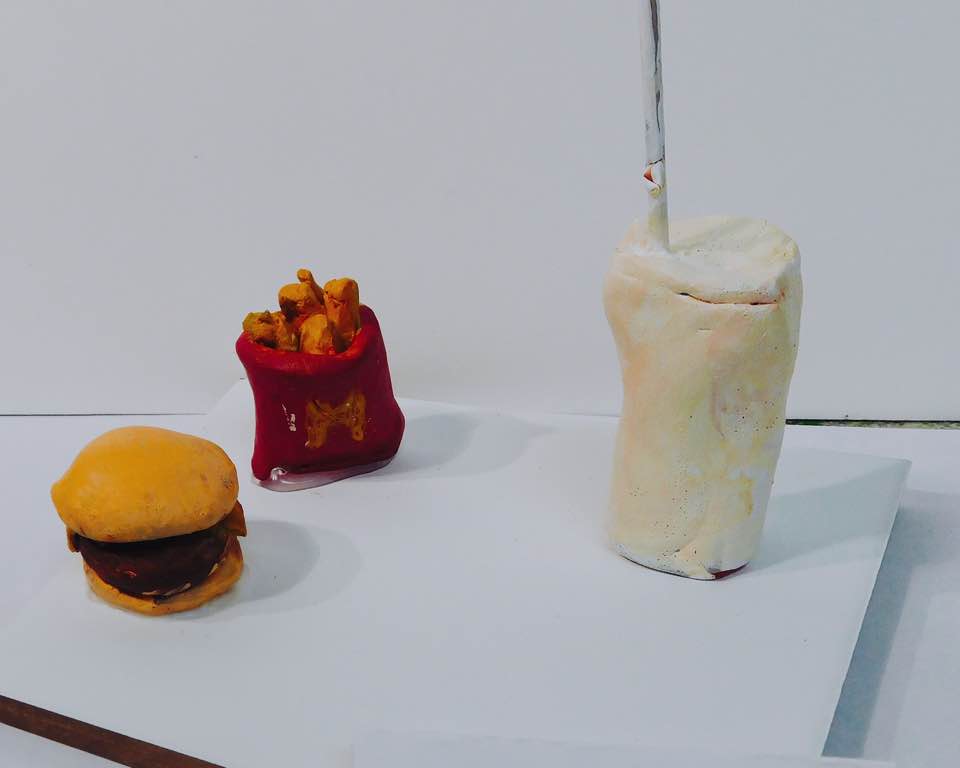
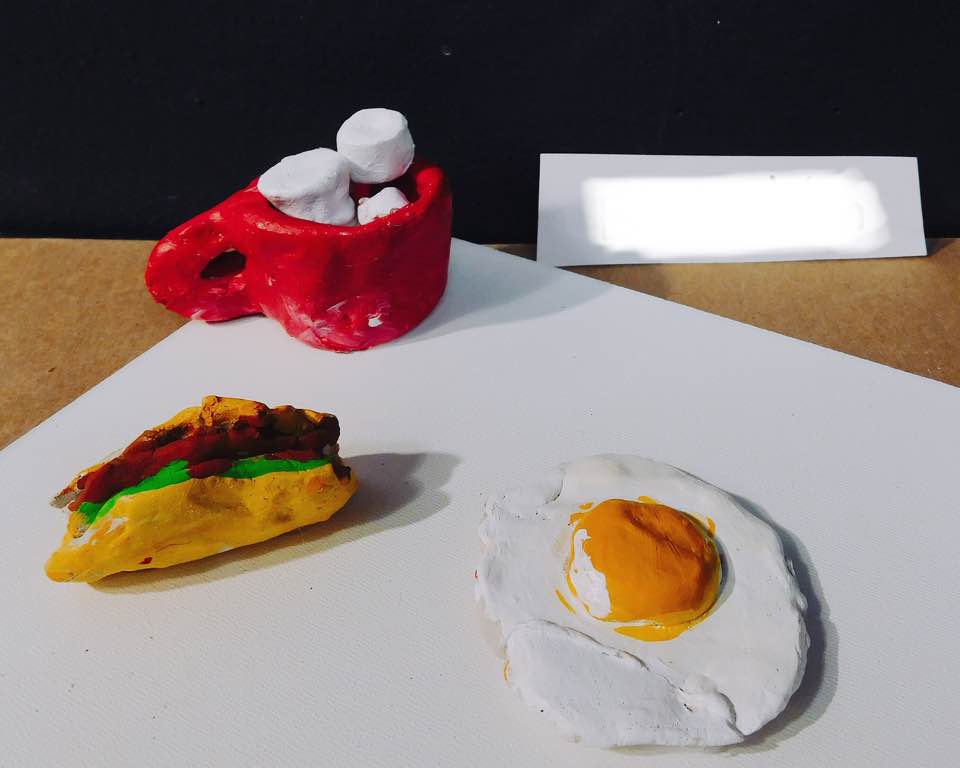
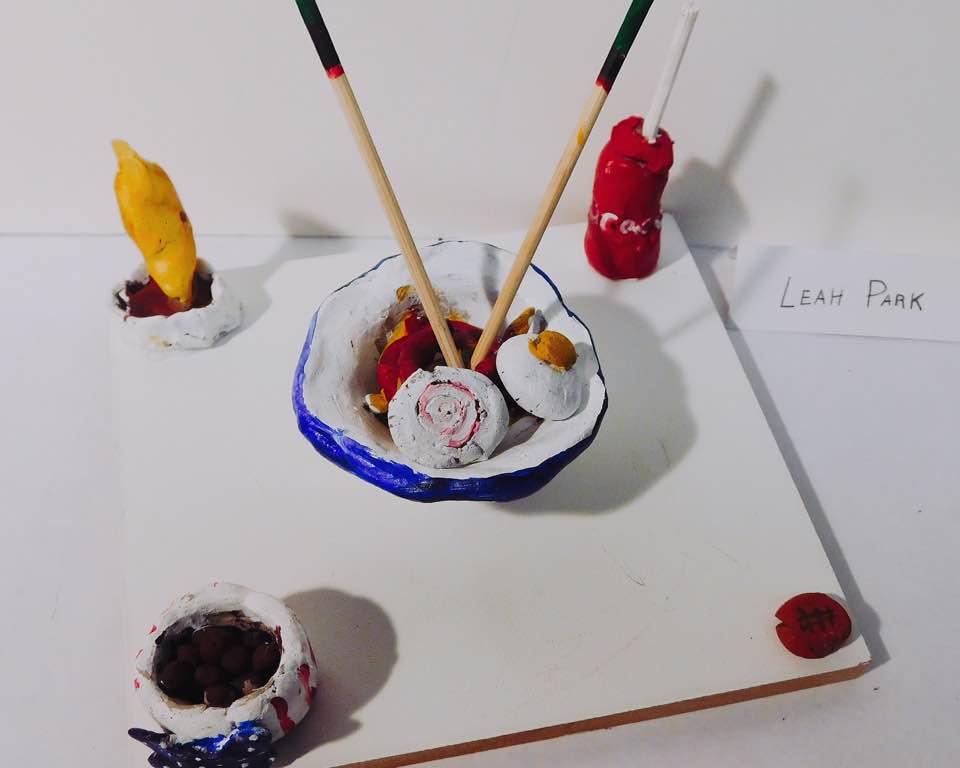
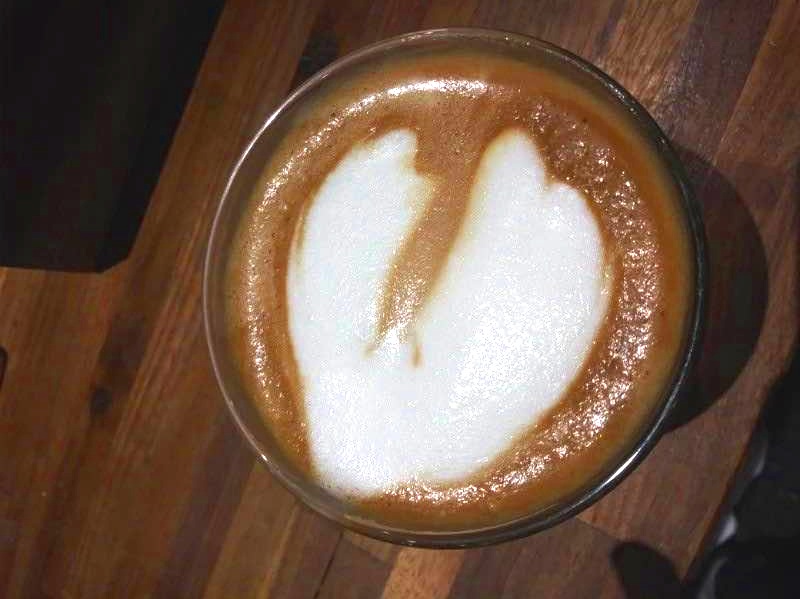
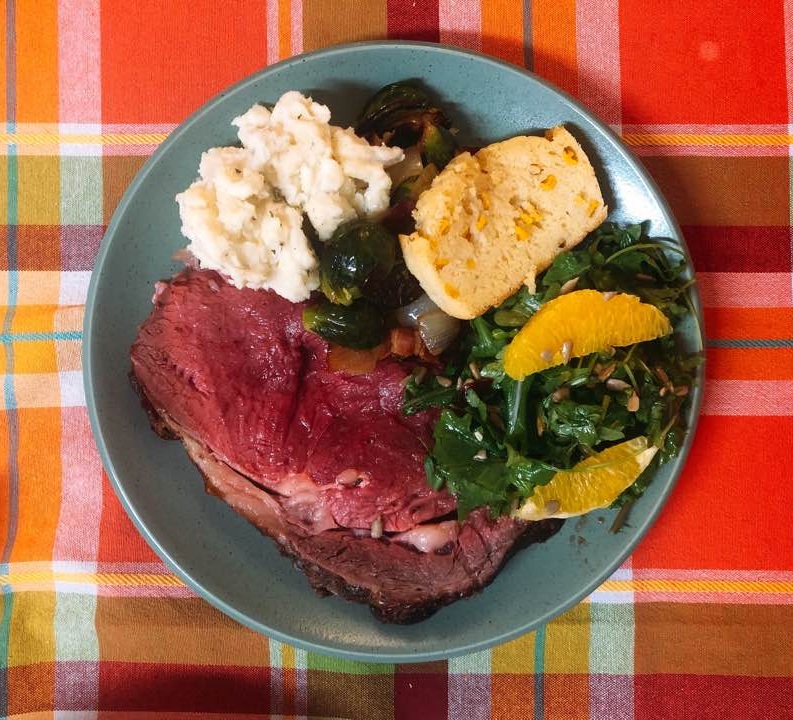
We started the new Spring 2019 Creative Arts semester with Miniature Sculptures. As always, we received inspiration from quite an interesting artist by the name Rose Eken. Rose is a Danish artist who works in a wide array of media including video installations, drawings, embroidery and ceramic sculptures. She has a collection of miniature sculptures of food, which was our main focus for this project. (Of course, instead of firing up ceramic in our studio, we used air dry clay!)

This four week project was such a hit. The kids were so incredibly focused on their projects that it blew my mind. The first week was mostly brainstorming and trial and error. Because the idea was to make super tiny food, the kids did seem to have some frustration. I mean, imagine making a pea-sized cup of hot chocolate! Well, our kids did it! We first learned about the characteristics of air dry clay. Air dry clay dries fairly quickly, so we have to work quickly and constantly moisten it. Our students who were enrolled in our Fall 2018 semester were pretty familiar with this type of clay since they worked with it in our Ancient Egyptian Sculpture project. However, this project was a step above that project because the of the small scale they had to work in.

As shown above, after the clay dried, the students painted their miniatures with acrylic paint. I have never seen such small hamburgers before! A lot of our instructors stood in awe after seeing our Little Ashcan projects. One instructor even asked if these were shrunk from their normal size. When I told her that the kids made them this tiny to begin with, she couldn’t believe her eyes.

The miniatures were then mounted onto a wooden panel for the students to arrange, glue and take home.

Here is a collection of a few of my favorites this month.

Our next project is of photorealism! Quite different from our three dimensional miniature food, but I am sure that our students will have just as much fun and learn a lot of drawing skills and techniques. Stay tuned for my next blog post! Until then, stay warm in this crazy cold weather!

Fall Creative Arts_Weeks 9-12

Self Portraits

Welcome back! Our Fall semester is coming to an end and we only have two projects left! For our second to last project, we took all the skills we learned so far and incorporated them into our self portraits. These self portraits were a combination of pencil sketching, pen and ink, and watercolor paint. Our instructor always creates examples to show the students what she will be teaching and looking for at the end of the project. Now let’s see how our students did!

The first step was to take a picture of the students and then have them do pencil sketches. During the sketches, the students learned about shadows and how to smudge soft pencil markings to create dimension to the face. Our instructor assisted the students in making the face shape, helped them when it came to the proportions. The students were able to understand the concept of shadows and observation, which is really what we were going for here. After the pencil sketching was where the pen and ink came in. The students started tracing the thicker parts of their pencil sketches, so that those parts would still show up even after the watercolor paint is later added. You can see the pen strokes where our student’s glasses are! She had just started tracing when I took this picture.

The next steps were finishing the pen and ink and moving onto watercolor. Watercolor was tricky because you have to take into consideration where we added the shadows. Paints had to be mixed in different tones to really recreate the shadows of the face. If you look at the work below, you can just imagine how many different tones our student had to mix in order to recreate the depth in the shadows. You can really see dimension around the cheeks and forehead.

Another thing I noticed was how easily the students were able to mix the paints. It doesn’t seem like a big deal, but these kids were able to mix the different primary colors into the EXACT colors that they saw. I mean, it was just incredible! The little boy right above - his shirt is a mix of a deep maroon and navy. Do you see how exact the colors match? He whipped up those colors all on his own and it surprised all of us! It really is amazing how these students are able to take what they learned and use it in their work.

Next week, we will have finished up these self portraits and moved onto our final project of the year. The weather is getting super chilly and Christmas is right around the corner. I’ll see you again next week!